
Starts with the
right conversation.
Genetic questions can be difficult to navigate. It may start with a family history, a pregnancy concern, a child's health, or a genetic test result that leaves you with more questions than answers.
Veronica takes the time to understand your medical history, your family history, and the bigger picture before deciding what comes next. When testing is needed, she helps you choose the right test and understand what the results mean.
From your first consultation through diagnosis and follow-up, you have someone to help you understand your options and decide what comes next.
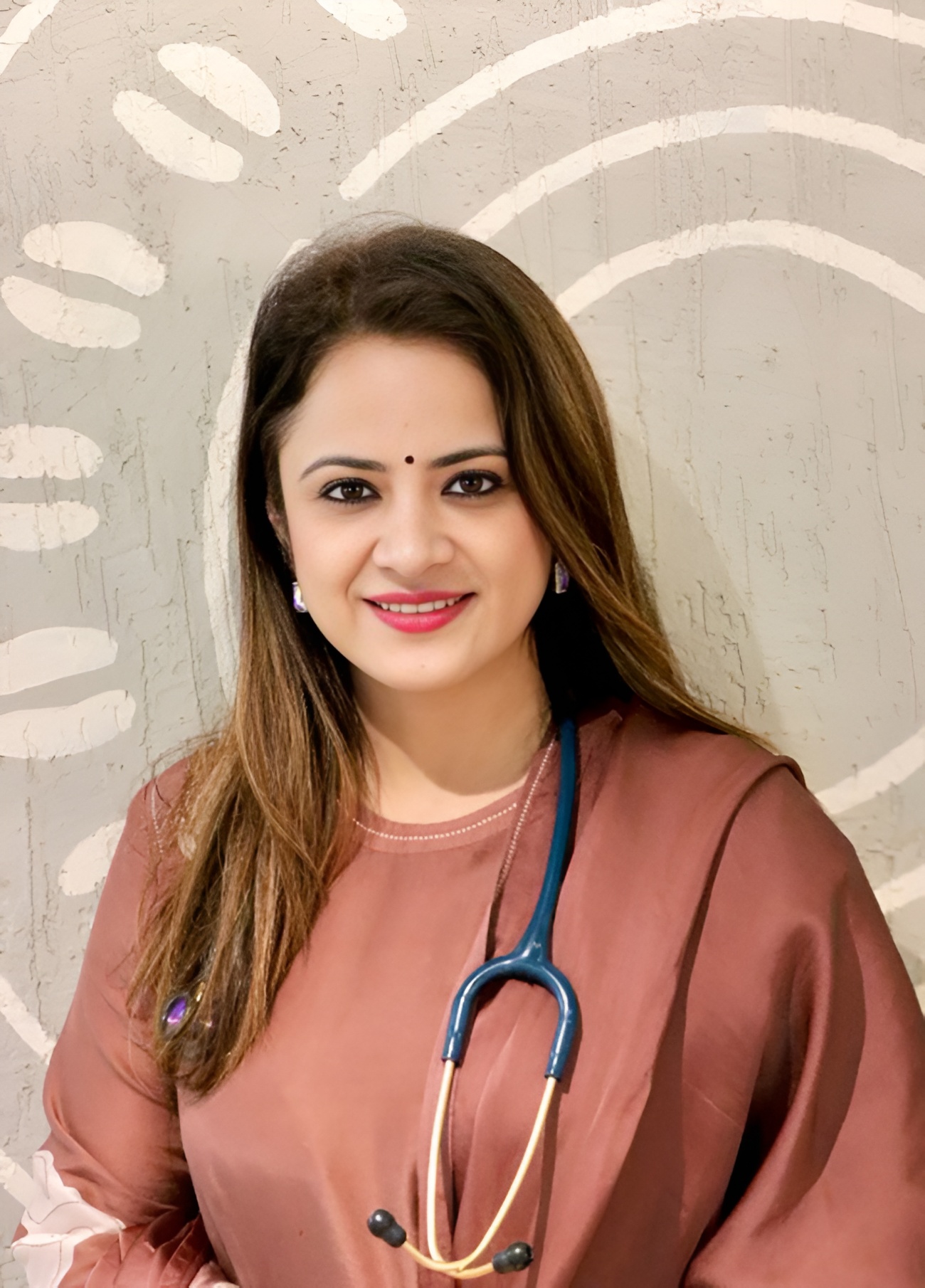
Professional standing
Roles held across national and Delhi-chapter genetics, fetal medicine, and metabolic-disorder societies.

Adult Clinical Genetics
Hereditary disorders, cardiogenetics, and adult-onset neurological conditions.
- Familial Hypercholesterolemia
- Hereditary Hemochromatosis
- Alpha-1 Antitrypsin Deficiency
- Marfan Syndrome
- Huntington's Disease — predictive testing
Best for adults with a strong family pattern of early heart disease, iron overload, or a late-onset neurological condition already diagnosed in a relative.
Pediatric Genetics
Developmental delay, congenital anomalies, and dysmorphology evaluation.
- Duchenne Muscular Dystrophy (DMD)
- Autism Spectrum Disorder — genetic workup
- Fragile X Syndrome
- Noonan Syndrome
- Prader-Willi Syndrome
- Rett Syndrome
Referral is typical after a pediatrician flags missed milestones, unusual facial features, or a chromosomal microarray finding.
Prenatal Genetics
Preconception testing, carrier screening, and fetal anomaly workups.
- Thalassemia / Hemoglobinopathies
- Trisomy 21 (Down syndrome)
- Trisomy 18 (Edwards syndrome)
- Cystic Fibrosis — carrier screening
- Spinal Muscular Atrophy — carrier screening
- Non-Invasive Prenatal Testing (NIPT) interpretation
Covers both preconception carrier couples and pregnancies flagged by ultrasound or screening bloodwork.
Cancer Genetics
Hereditary cancer risk assessment and cascade testing for families.
- Hereditary Breast & Ovarian Cancer (BRCA1/BRCA2)
- Lynch Syndrome
- Li-Fraumeni Syndrome
- Familial Adenomatous Polyposis
- Cowden Syndrome
Cascade testing means once one relative tests positive, first-degree relatives are offered targeted, lower-cost testing for that exact variant.
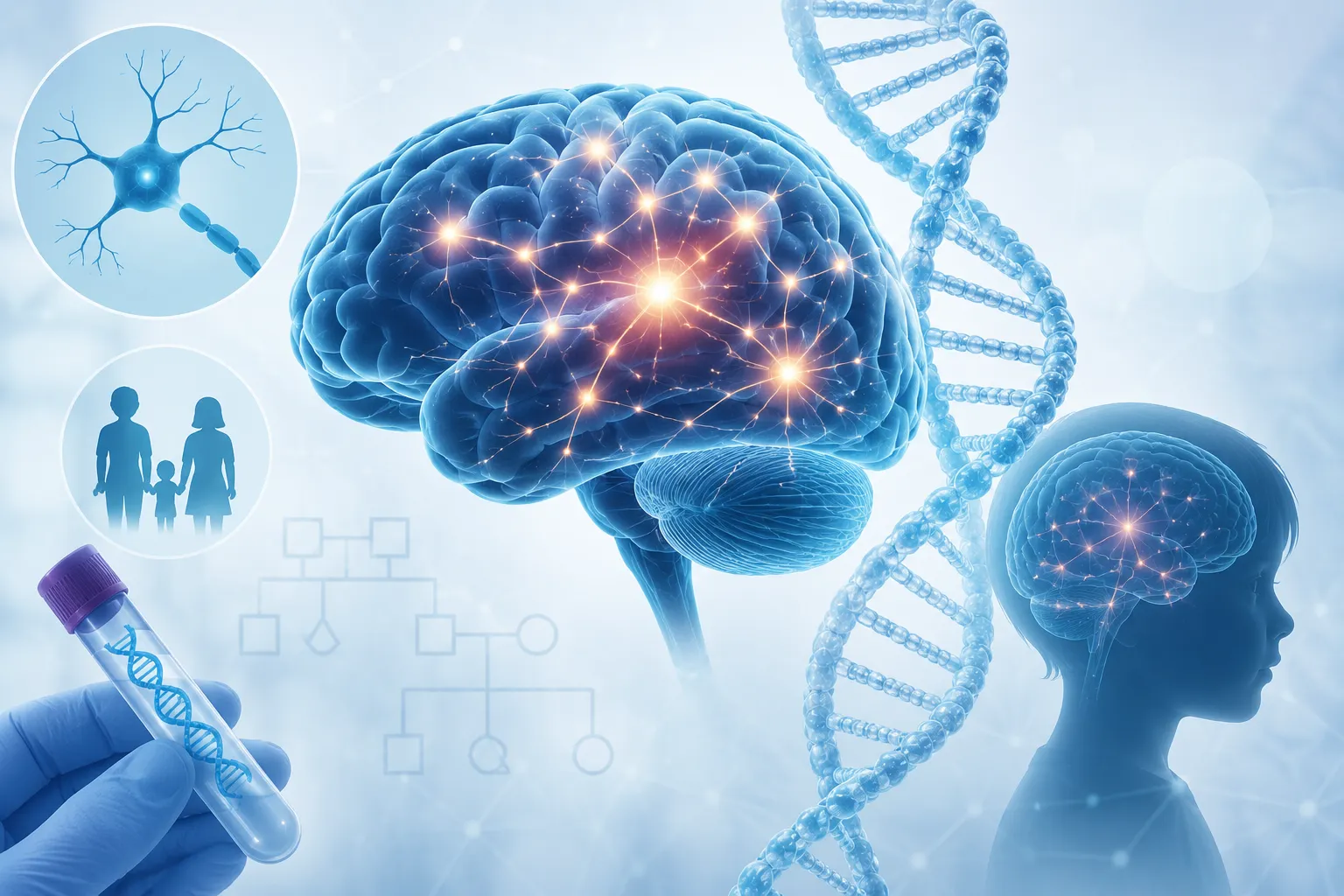
Neurogenetics
Epilepsy genetics, ataxias, and neuromuscular disease.
- Duchenne Muscular Dystrophy
- Spinocerebellar Ataxia
- Charcot-Marie-Tooth Disease
- Hereditary Spastic Paraplegia
- Dravet Syndrome
Distinct from Adult Clinical Genetics — this clinic focuses on the neuromuscular and seizure phenotype itself, at any age.
Rare Diseases
Undiagnosed and ultra-rare syndromes, chromosomal and mitochondrial disease.
- Hemophilia A & B
- Mitochondrial Disease (e.g. MELAS)
- Williams Syndrome
- 22q11.2 Deletion Syndrome
- Exome / genome sequencing for undiagnosed cases
The last stop for families who've had years of testing without an answer — this team runs broad sequencing rather than a single-gene test.
Metabolic Disease
Inborn errors of metabolism and lysosomal storage disorders.
- Gaucher Disease
- Pompe Disease
- Phenylketonuria (PKU)
- Fabry Disease
- Maple Syrup Urine Disease
- Newborn screening follow-up
Often the first call after an abnormal newborn screen — enzyme replacement and dietary management are coordinated here.
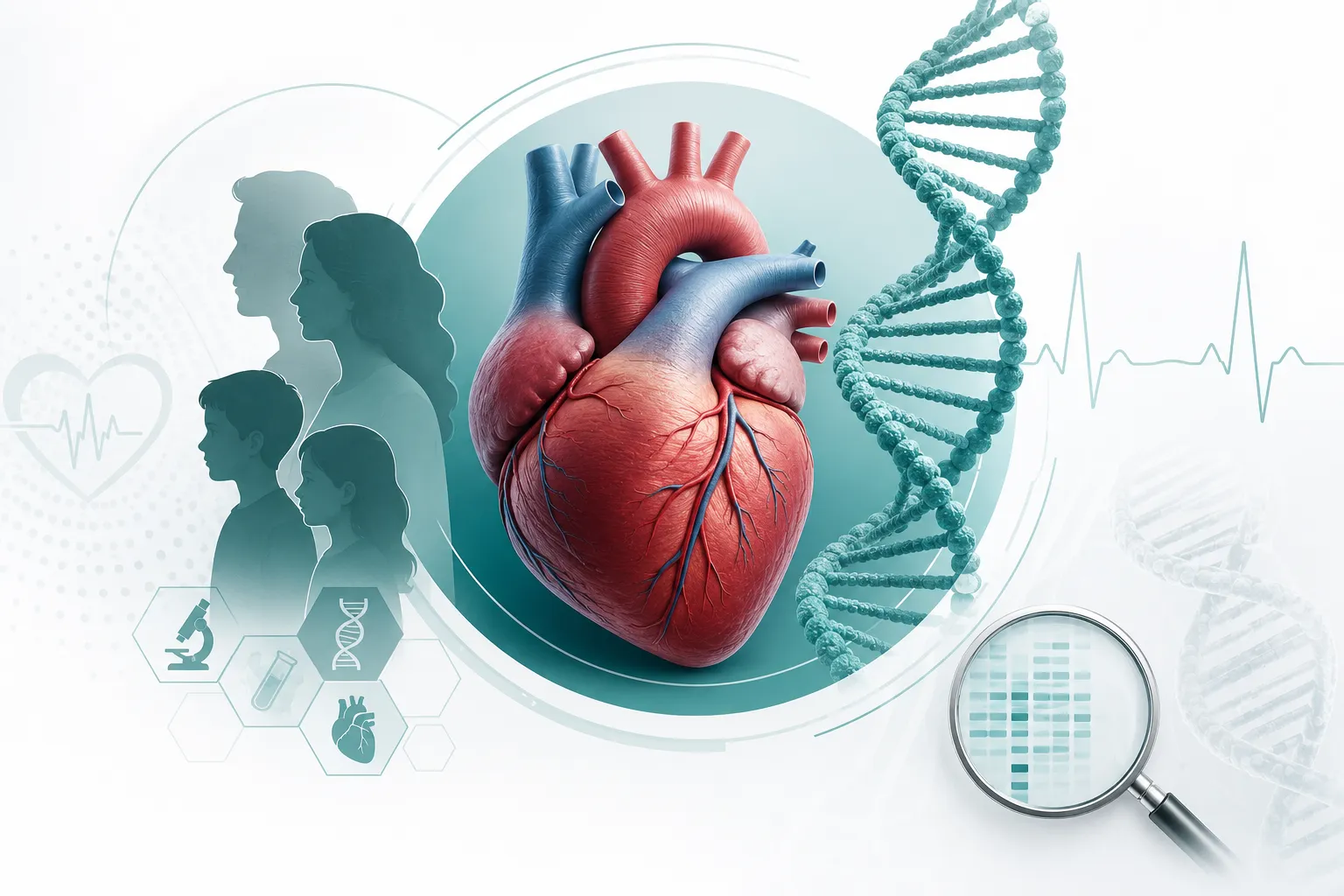
Cardiogenetics
Inherited cardiomyopathies, arrhythmias, and aortopathies.
- Long QT Syndrome
- Hypertrophic Cardiomyopathy
- Brugada Syndrome
- Marfan-related Aortopathy
- Arrhythmogenic Right Ventricular Cardiomyopathy
Frequently runs jointly with cardiology — relevant after a sudden cardiac event or unexplained fainting episode in the family.
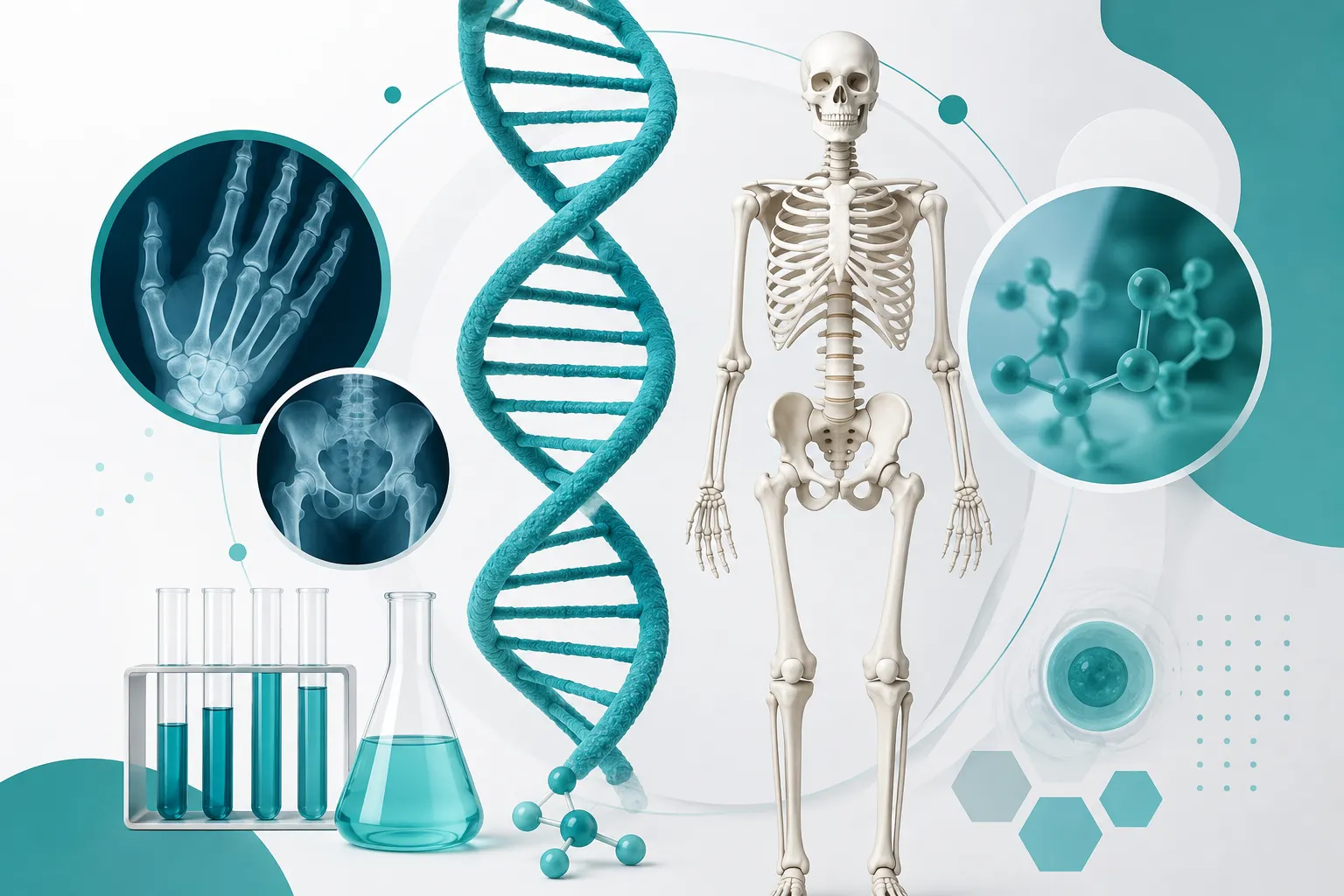
Skeletal Genetics
Skeletal dysplasias, bone fragility, and craniofacial disorders.
- Osteogenesis Imperfecta
- Achondroplasia
- Craniosynostosis syndromes
- Ehlers-Danlos Syndrome
- Marfan Syndrome — skeletal features
Evaluates recurrent fractures, short stature, or unusual skull/facial bone growth in coordination with orthopedics.
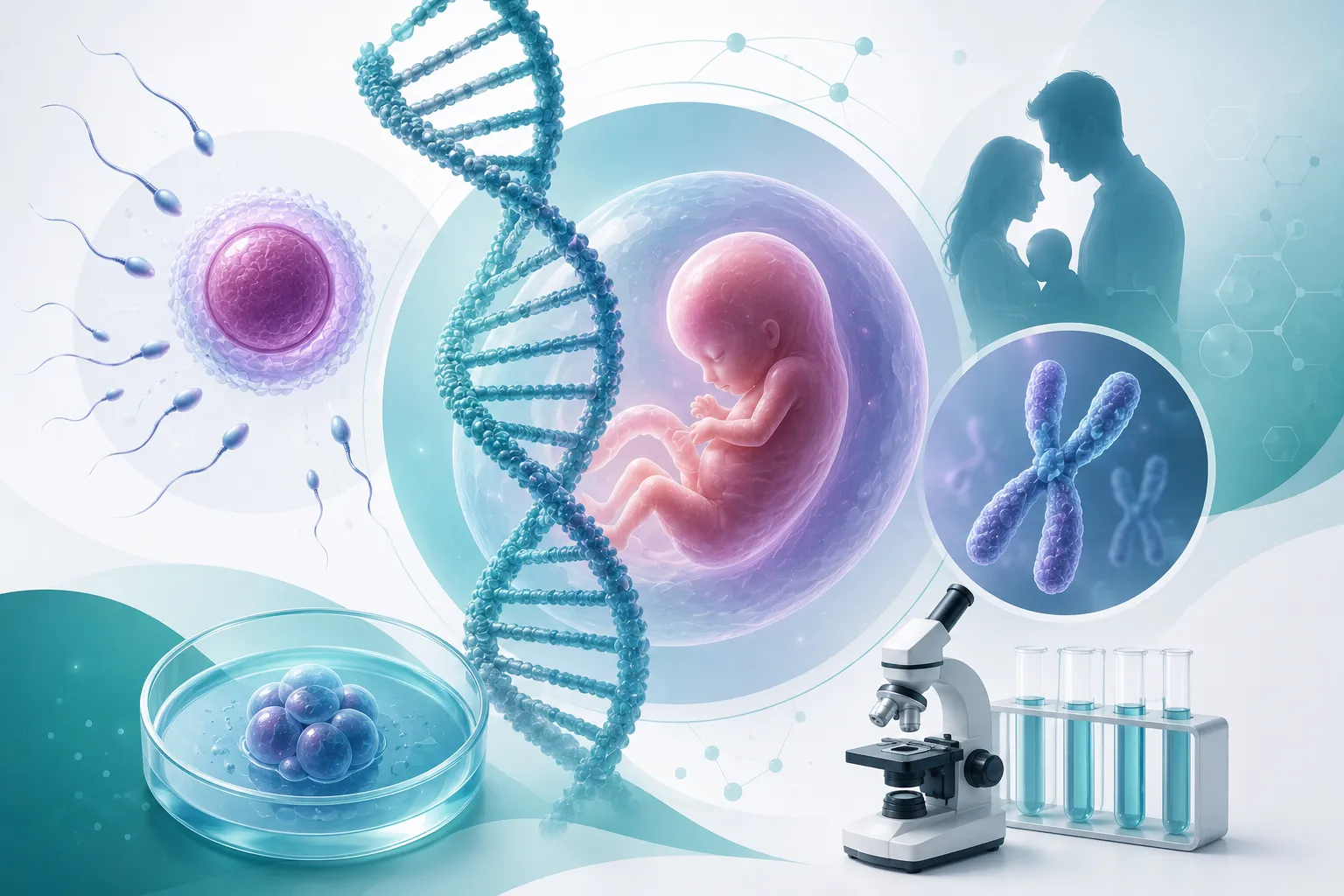
Reproductive Genetics
Carrier screening, infertility genetics, and PGT coordination.
- Recurrent Pregnancy Loss workup
- Infertility — genetic causes
- Balanced Translocation carrier status
- Fragile X premutation
- PGT-M / PGT-A coordination with IVF
- Klinefelter Syndrome
Works closely with fertility clinics before and during IVF, especially when preimplantation genetic testing is being considered.

Before you book
Do I need a referral to book a genetics consultation?
Most clinics accept a referral from your primary care physician, OB, or specialist, though several also accept self-referrals for cancer and prenatal genetics. Check with the specific clinic when scheduling.
What should I bring to a first visit?
A three-generation family health history if you can gather one, any prior genetic test results, and relevant imaging or pathology reports. The intake team will also request records directly from other providers.
Is genetic testing always recommended after a consultation?
No. A consultation is a risk assessment first — testing is only ordered when it would meaningfully change screening, treatment, or family planning decisions.
How does cascade testing work for relatives?
Once a specific gene variant is identified in one family member, relatives can be tested for that exact variant only, which is faster and less expensive than a full panel.